

Understanding Climate Risks to Aruba and Strengthening Our Island’s Resilience
Aruba is entering a new climate reality. Rising temperatures, longer drought seasons, coastal erosion, marine heatwaves, and threats to coral reefs are not distant possibilities they are already unfolding. As a small island nation deeply connected to the health of its coasts and ecosystems, understanding and responding to climate risks is now essential to protect our economy, our communities, and our way of life.
This article draws on findings from the Climate and Ocean Risk Vulnerability Initiative (CORVI) assessment to explore how climate change is reshaping Aruba and why action today matters for a resilient tomorrow.
Understanding Climate Risks in Aruba
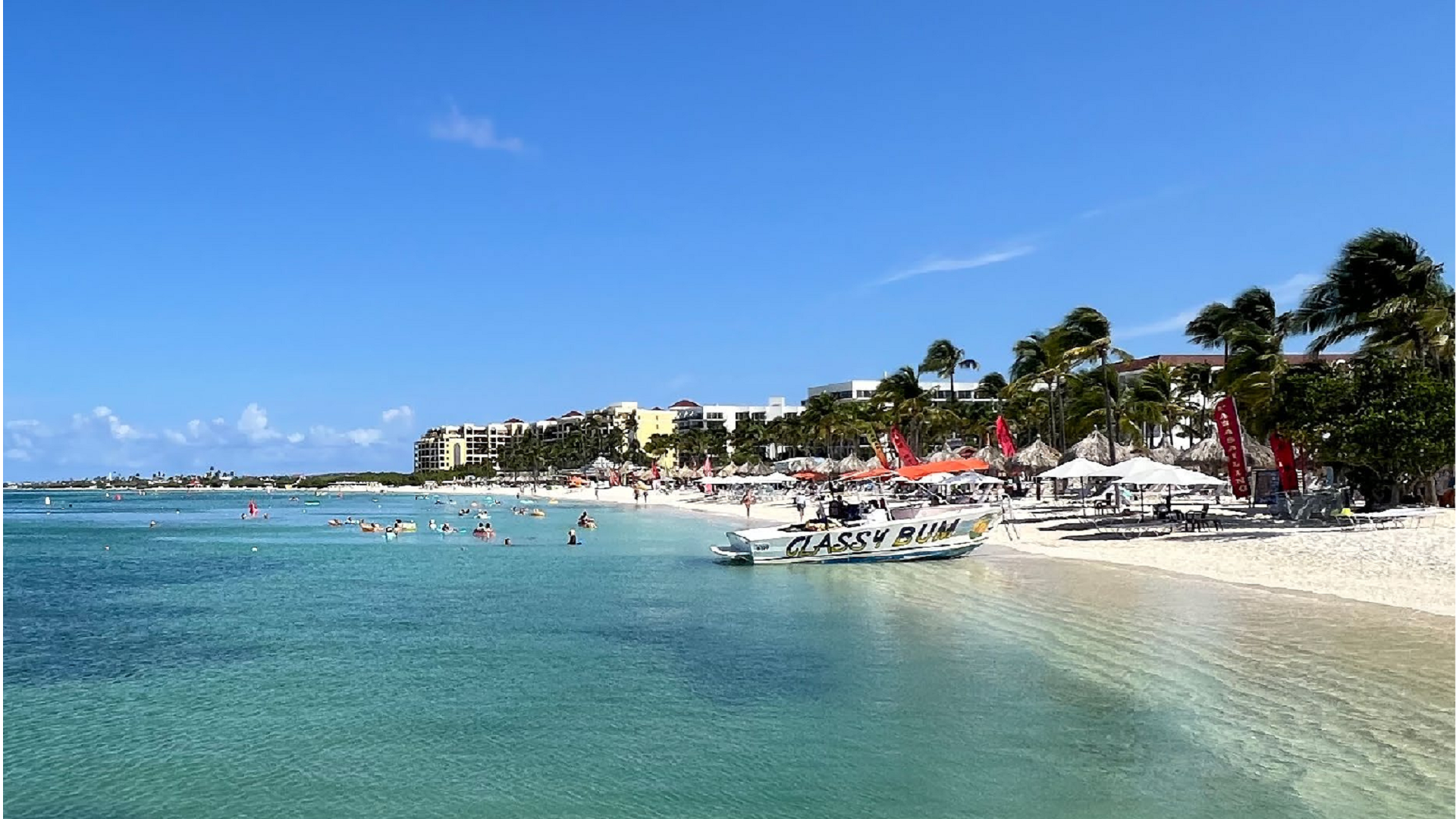
Aruba contributes only a tiny share of global emissions, yet the impacts here are disproportionately severe. The Caribbean experiences intensifying storms, longer heat seasons, coral reef decline, and coastal erosion each of which directly affects Aruba’s environment, tourism industry, and community well-being.


Under a business-as-usual emissions scenario, Aruba’s annual average temperature is projected to rise more than 1.8°C by the end of the century, shifting the island into an extended heat season lasting nearly seven months per year. At the same time, rainfall is expected to decrease by nearly 14%, increasing water scarcity and pressure on natural ecosystems.
These changes do not occur in isolation. They interact, compound, and intensify.
Risk Cluster 1: Declining Ecosystem Health
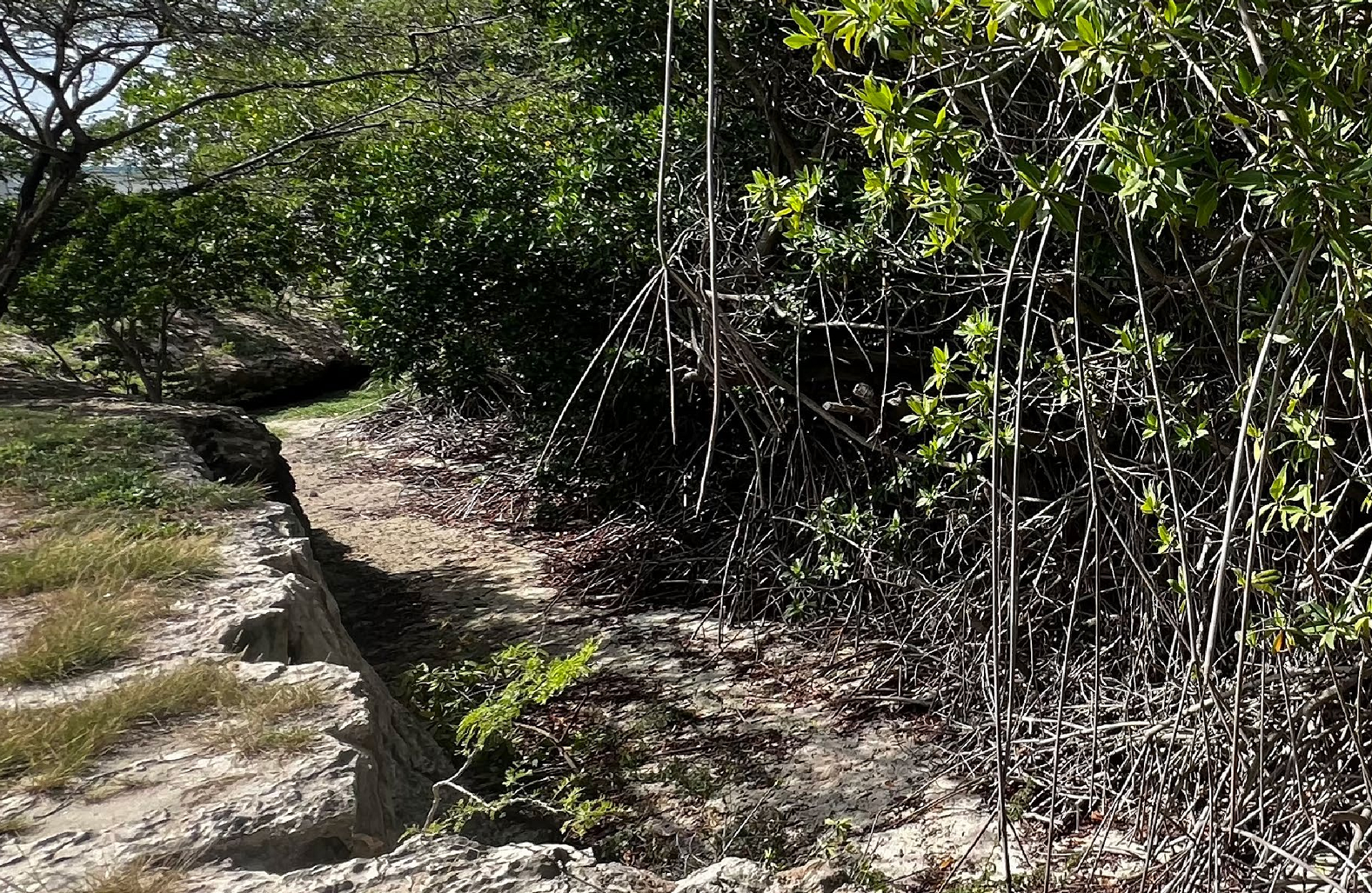
Aruba’s coral reefs, mangroves, seagrass beds, sand dunes, and coastal wetlands are essential natural protections. They buffer storm impacts, prevent flooding, support fisheries, and sustain our tourism identity.
Yet the CORVI assessment indicates that these ecosystems are under serious stress:
- Coral reef cover has dropped from 22% to just 8% in recent decades.
- Mangrove forest coverage is extremely limited and fragmented.
- Sand dune systems are weakened by development and recreational damage.
- Seagrass beds are declining due to reduced water quality and sediment disruption.
Why does this matter?
ealthy ecosystems reduce coastal erosion, protect beaches, and ensure the survival of marine life that supports snorkeling, diving, and local fishing.


But climate change amplifies their decline:
- Marine heatwaves trigger coral bleaching
- Sea level rise accelerates shoreline erosion
- Drought reduces freshwater flows into coastal systems
With weaker ecosystems, Aruba becomes more exposed to storm surges, flood damage, and beach loss—directly affecting homes, infrastructure, and tourism revenue.
Risk Cluster 2: Changing Demographic Patterns
Aruba’s population is growing, aging, and increasingly concentrated in coastal zones—where climate exposure is highest.
Key demographic vulnerabilities:
- Aruba’s population density has nearly doubled since the 1960s.
- Almost half of all households are located in coastal flood-risk areas.
- Tourist numbers frequently exceed the resident population, placing additional pressure on water, energy, healthcare, and waste systems.
- The elderly population is rising, and seniors are more vulnerable to heat stress and storm impacts.
Urban development along the coastline reduces natural coastal protections and increases urban heat island effects—making heat waves more intense and dangerous.
Risk Cluster 3: Fragilities of a Tourism-Dependent Economy
Tourism represents around 70% of Aruba’s economy and over 88% of jobs. This concentration makes the entire national economy vulnerable to environmental disruption.
Climate threats to tourism include:
- Coastal erosion damaging beaches and hotel infrastructure
- Extreme heat reducing outdoor tourism activities and visitor comfort
- Coral bleaching diminishing diving and marine recreation
- Storms and flooding disrupting tourist transportation and services
Additionally, most tourists arrive from the United States, particularly the Northeast. This creates economic dependency risk: downturns, storms, or travel disruptions in key markets directly impact Aruba’s financial stability.


To remain competitive, Aruba must shift toward sustainable tourism models, diversify market segments, and invest in environmental stewardship.
Tourism sustainability insights: UN World Tourism Organization
The Urgency of Climate Adaptation Planning
Aruba is already taking meaningful steps to strengthen resilience.
The National Climate Resilience Council of Aruba is leading efforts to coordinate national response strategies, improve climate governance, and expand public awareness.
However, stronger coordination across government ministries, private sector, communities, and environmental organizations is needed to:
- Integrate climate adaptation into development planning
- Expand renewable energy capacity
- Protect and restore coastal ecosystems
- Reinforce the resilience of water and power systems
- Promote climate-safe building standards and zoning updates
Pathways to a Resilient Aruba
Restore Coastal and Marine Ecosystems
Invest in coral restoration, mangrove rehabilitation, and seagrass protection to rebuild natural storm buffers.
Implement Inclusive Spatial Planning
Design development plans that balance economic growth with environmental protection and community well-being.
Strengthen Water and Energy Security
Expand renewable energy, reinforce the power grid, and diversify water sources beyond desalination reliance.
Diversify Tourism
Promote eco-tourism, cultural tourism, and wellness tourism to reduce vulnerability to climate-sensitive coastal tourism activity.
Conclusion: Our Island, Our Responsibility
Aruba’s climate challenges are real, measurable, and already unfolding. But with strong governance, community involvement, ecosystem restoration, and innovative economic planning, Aruba can become a leader in climate resilience across the Caribbean.
The future of Aruba is not something to fear it is something to shape, protect, and build together.
For more local news, visit us and follow our social media pages. Share your news with us by sending it to info@arubaonline.news.