

Aruba Tourism Strategy 2026 Vision, Sustainability & Growth
As travellers around the world increasingly seek more meaningful, sustainable and authentic experiences, our island of Aruba is ready. With its pristine beaches, warm hospitality, and unique cultural heritage, Aruba has long been a desired destination but today, the conversation is shifting. Increasingly, the question is not just how many visitors a destination receives, but what kind of visitors, what value they bring, and how tourism can support the local community and environment over the long term.
That is precisely what the Aruba Tourism Authority’s Corporate Plan 2026 sets out to achieve. In this article we explore how Aruba is preparing for the future with innovation, community-inclusion, sustainability and value-driven tourism at its core.
Aruba’s Strategic Tourism Goals for 2026: From Volume to Value
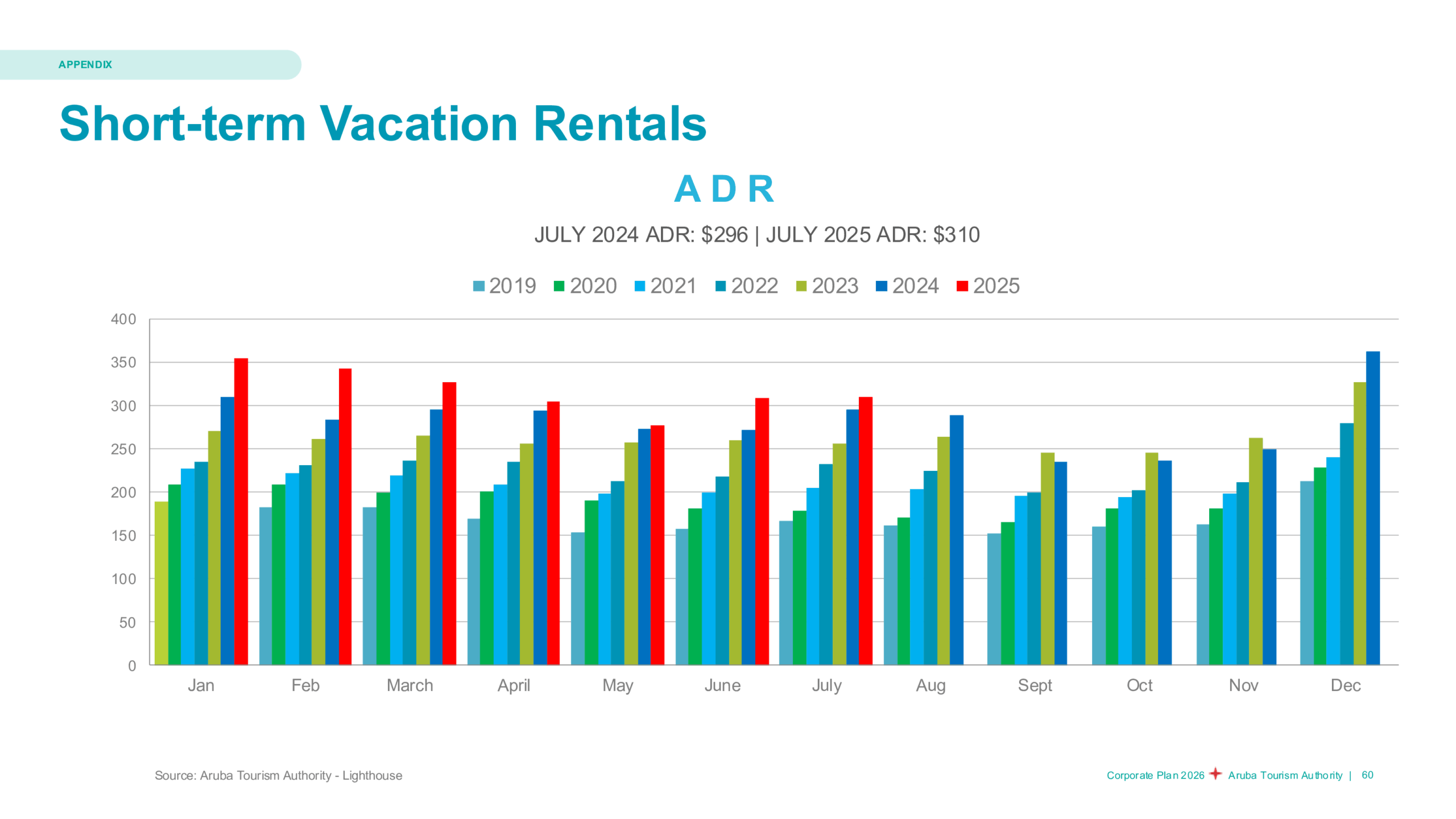
For many years, tourism in Aruba has been a vital pillar of the island’s economy. However, the A.T.A.’s recent Multi-Annual Corporate Strategy (MACS 2025-2035) and its Corporate Plan recognise a new paradigm: sustainable growth, rather than growth at all costs. The official document calls out the shift explicitly:

“We will adopt a high-value visitor strategy … focusing on the quality of our visitor economy, thereby increasing the share of total high-value visitors.”
In practice, this means several things for Aruba by 2026:
- Economic diversification through tourism innovation: Aruba is moving beyond the traditional stay-and-sun model to include wellness, culture, adventure, gastronomy, eco-tourism and niche segments. The Corporate Plan emphasises product development, data analytics, and partnerships to attract visitors who spend more, stay longer, and engage deeper.
- Prioritising value over volume: As the document states, Aruba’s goal is not simply more arrivals, but better arrivals visitors who respect the island, its culture and nature, and who contribute to the economy in meaningful ways.
- Targeted market diversification: The plan directs A.T.A. to refine its markets, focusing on North America, Latin America and Europe, but doing so with segmented strategies that appeal to travellers whose values align with Aruba’s vision.
- Strengthening Aruba’s global brand as a premium, responsible destination: Through its “Aruba Effect” branding and an emphasis on transformation (“Aruba changes you within”), the island is stepping up its positioning in a competitive Caribbean market.
Together, these objectives signal a strategic realignment: the A.T.A. intends to amplify tourism’s positive impact while minimising negative externalities.
Why a Corporate Plan Matters for a Small Island Nation
For small island economies such as Aruba’s, the stakes are especially high. Tourism is deeply integrated into communities, environment and national identity. Thus, the Corporate Plan is not just a marketing tool it becomes a policy instrument, a coordination framework, and a commitment to future generations.
Here’s why a dedicated plan matters:
- Balancing local identity and global competitiveness: Aruba’s cultural heritage, bilingual population (Papiamento and English/Dutch), natural landscapes and friendly spirit are what make it unique. The Corporate Plan emphasises that growth must respect and protect that identity. As the plan states, “what can Aruba do for its guests and what can our guests do for Aruba?”
- Aligning stakeholders and partnerships: Tourism intersects multiple sectors hospitality, aviation, environment, community groups, infrastructure. A corporate plan provides a shared roadmap. For example, A.T.A. is working with the Aruba Hotel & Tourism Association (AHATA), the Aruba Conservation Foundation (ACF) and other local organisations to coordinate action.
- Strategic resilience: External shocks (pandemics, climate events, economic downturns) hit small islands disproportionately. The plan emphasises resilience through diversification, carrying-capacity studies and destination management frameworks.
- Long-term value rather than short-term gains: The plan’s four strategic pillars highlight “Quality of Life for Residents”, “Quality of Visitor Experience”, “Environmental Protection & Conservation”, and “Economic Contribution”.
In short: a corporate plan anchors tourism growth to purpose, community benefit and stewardship.


Sustainability & Resilience as Core Values
At the heart of Aruba’s strategy lies a commitment to sustainability and resilience prerequisites if tourism is to remain viable, ethical and inclusive.
Adapting to global change
Travel behaviour is evolving: remote workers, longer stays, multi-generation groups, greater interest in culture and nature, and heightened awareness of climate and social issues. The Corporate Plan acknowledges this and specifies strategic shifts toward regenerative tourism:
“We will move toward a more responsible, sustainable, and finally regenerative industry, where we no longer focus on ‘what can Aruba do for its visitors’ but rather on ‘what can Aruba do for its guests and what can our guests do for Aruba’.”
High-Value, Low-Impact (HVLI) model
Aruba is explicitly adopting the HVLI model: attracting fewer but higher-value visitors who stay longer, spend more, engage deeper, and leave a lighter footprint.
Community inclusion and environmental care
Tourism must serve the people and the place. A.T.A.’s plan emphasises local community well-being:
- Engaging residents in tourism planning and experience design.
- Protecting natural assets like Arikok National Park, mangrove ecosystems, beaches and reefs (through partners such as ACF).
- Working with local enterprises to deliver authentic experiences and retain value in-island.
Resilience through diversification & smart development
In practical terms, the plan supports innovation in product offerings, infrastructure upgrades (digital guest flows, mountain bike trails, visitor centres) and governance mechanisms for managing growth.
The Role of A.T.A. in Driving the Vision
The Aruba Tourism Authority is not a passive observer it is the lead organisation orchestrating this strategic shift.
Visionary leadership and coordination
As the Destination Marketing & Management Organisation (DMMO) for Aruba, A.T.A. brings together government, private sector, community organisations and international partners. Their vision “Un Aruba Dushi pa Biba ta Un Aruba Dushi pa Bishita” (A wonderful Aruba to live in is a wonderful Aruba to visit) underscores that the resident and visitor experiences are intertwined.
Strategic planning in action
A.T.A. has already initiated working groups and strategic sessions aimed at delivering the 2026 plan. Topics include niche development (culinary, wellness, eco-tourism), digital transformation (guest flows, biometric entry), data analytics (visitor segmentation), and a “Protect it” communication campaign to encourage guests and residents alike to be stewards of the island.

Creating long-term economic stability through smart tourism
By implementing the HVLI model, A.T.A. aims not only to protect the island’s natural assets but also to ensure tourism continues to be a stable and meaningful contributor to Aruba’s economy. For example, the 2024 Annual Report shows that tourism receipts reached approx. Afl. 5.4 billion, the highest since 2011.
Partnering for success
Critical allies include:
- Aruba Hotel & Tourism Association (AHATA) – representing accommodations and hospitality.
- Aruba Ports Authority (APA) – especially for cruise tourism strategy.
- Aruba Conservation Foundation (ACF) – partnering on infrastructure and natural-asset protection.
- Community organisations such as CEDE Aruba (Centre for Development) – for social impact and resident well-being.
- Local tour operators (see next section).
By aligning these stakeholders under one plan, Aruba is creating a destination system that is both inclusive and aspirational.
Spotlight: Aruba Nature Adventure – A Local Eco-Tour Operator Aligned with the Vision
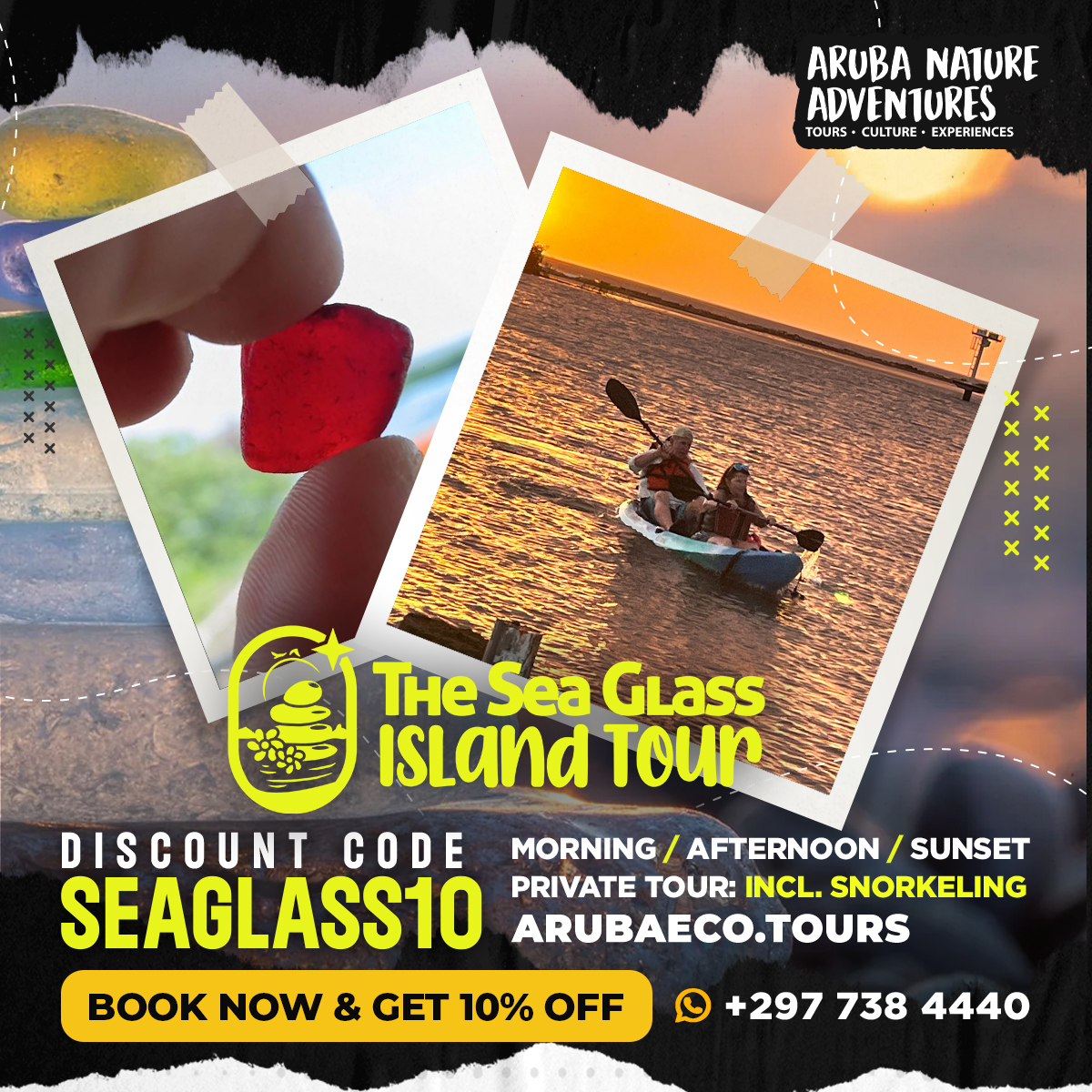
No strategy is complete without the boots on the ground the local operators who deliver experiences. One standout example is Aruba Nature Adventure & Private Eco Tours, founded by Jorge Zárraga and his partner Bianca.
Their mission matches perfectly with the A.T.A.’s strategy:
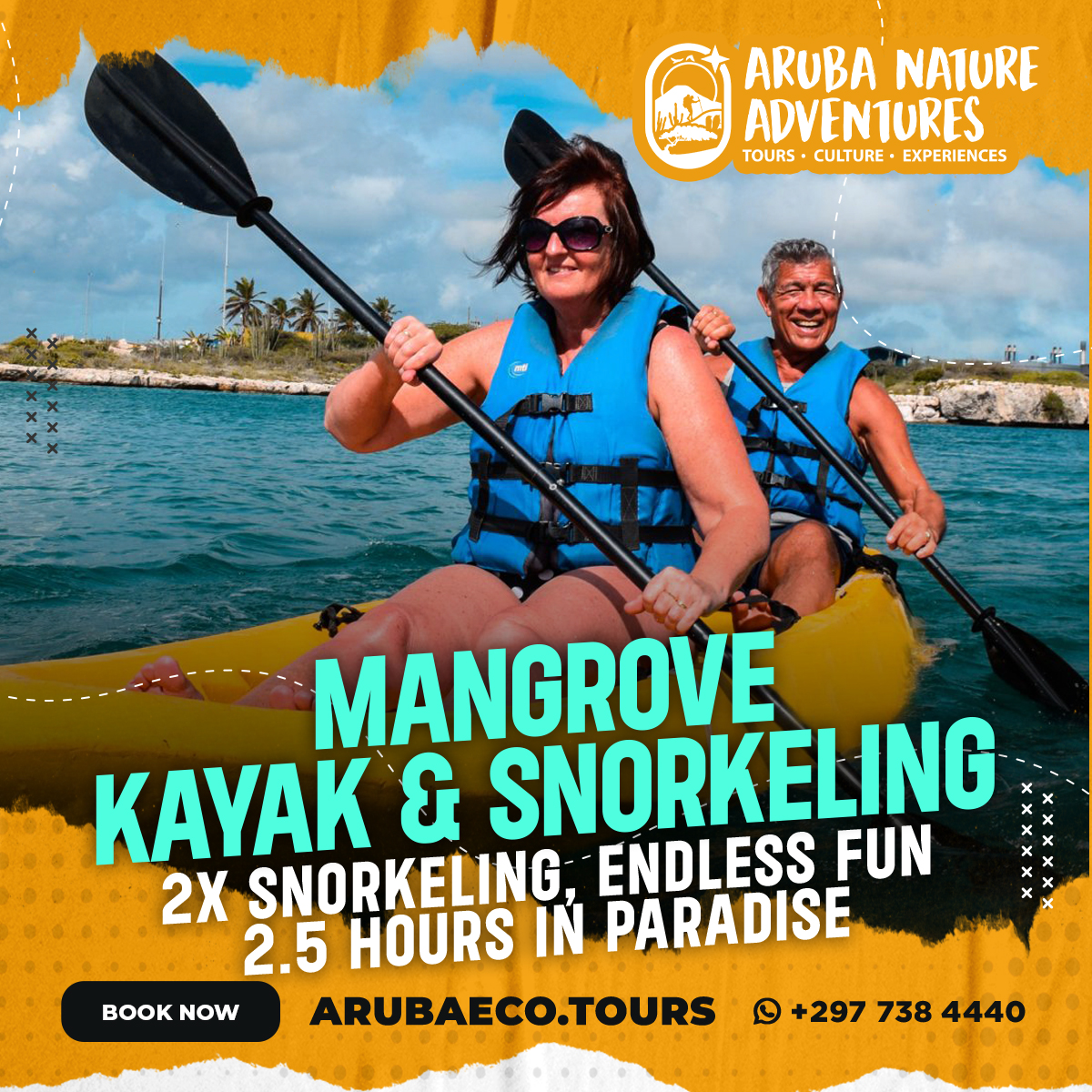
- Eco-friendly, non-motor-ised tours (kayak through mangroves, snorkel reefs, sunrise hikes) that minimise impact.
- Local guides who share culture, nature and history with visitors creating meaningful connections.
- Beach-clean-ups, community-involvement and a philosophy of “what can visitors do for Aruba” rather than just “what can Aruba do for visitors.” Aruba Eco Tours
In the context of the 2026 plan, Aruba Nature Adventure exemplifies how local business can grow alongside the destination’s strategic ambitions. As the high-value visitor segment grows (those who value authentic experiences and sustainability), operators like this one will be well positioned to capture demand, support the ecosystem and contribute to local employment and culture.
From a forecast perspective: as A.T.A. shifts emphasis toward niche segments (eco-tourism, wellness, culture) and partners promote responsible travel, we can expect:
- An increase in the number of eco-tourism operators and offerings.
- Higher average spend per visitor in niche experiences (e.g., guided eco tours, culture immersion).
- A stronger link between local SMEs (small & medium tourism enterprises) and the visitor economy.
- Enhanced branding for Aruba as a “green & authentic” Caribbean destination.
Forecasting the Implications for Aruba’s Tourism Industry
What might this strategy mean for the broader industry as we approach 2026 and beyond?
1. Visitor arrival and spend trends
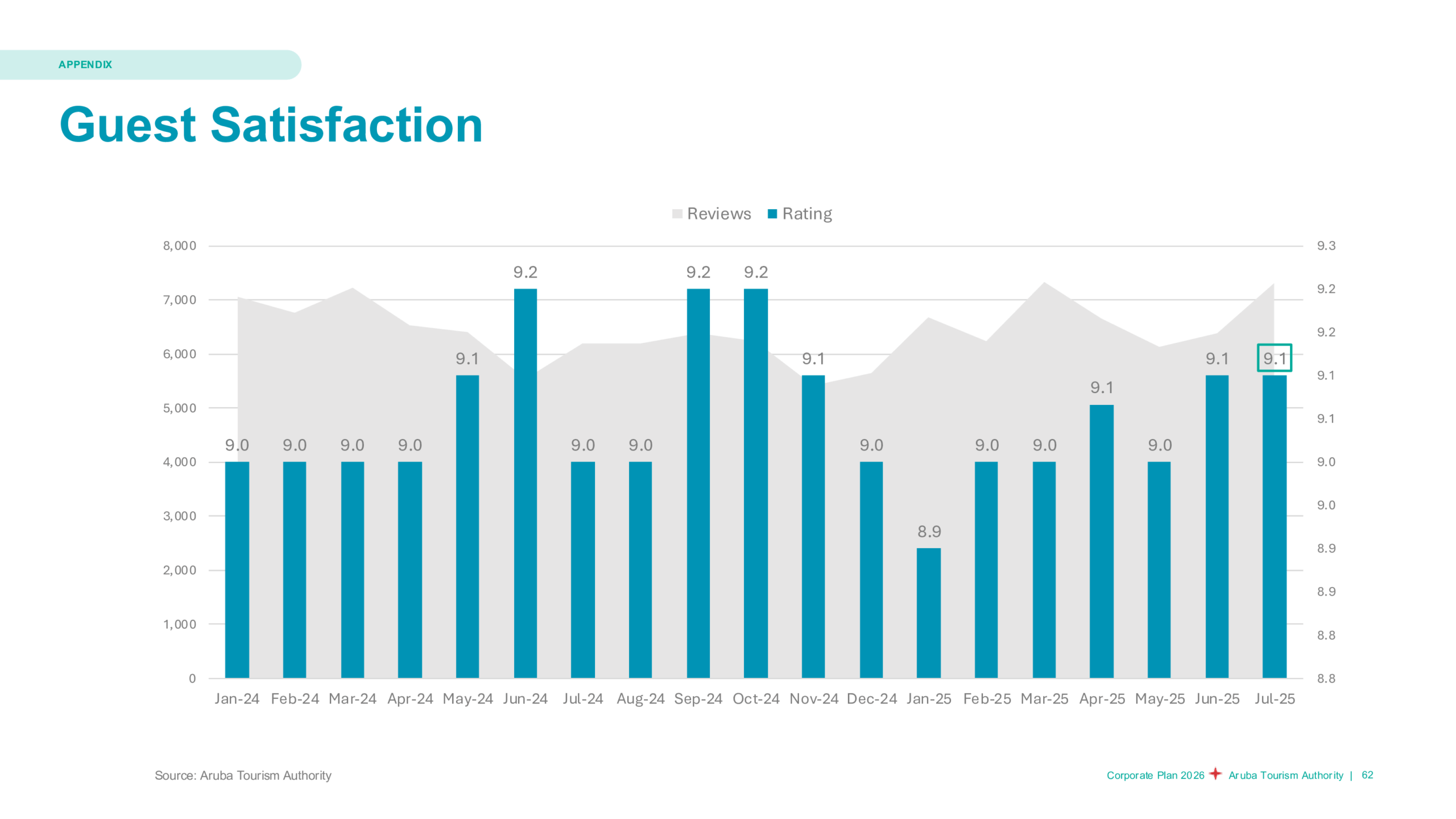
While volume may stabilise or grow modestly, the emphasis will be on spend per visitor, length of stay, repeat visits and satisfaction. Data from A.T.A. shows positive trends: in 2024, stay-over arrivals increased and the load factor on U.S. airlines servicing Aruba reached 88%.
2. Product and infrastructure development
Expect increased investment in higher-end and niche products: mountain bike trails (50 km project), visitor centres, digital guest flows (e.g., Happy One Pass), enhanced beach infrastructure and nature-based experiences.
3. Destination management and carrying capacity
Aruba will monitor resident and visitor sentiment, environment metrics, and tourism impact modelling. The Corporate Plan emphasises that growth must be balanced with community well-being.
4. Local entrepreneur and SME growth
Business opportunities will grow for local operators in wellness, eco-tourism, culture, gastronomy, remote-work stay packages, etc. Operators like Aruba Nature Adventure set the benchmark. Their growth will help diversify tourism’s economic impact.
5. Brand repositioning and competitive advantage
With Caribbean destinations competing fiercely, Aruba’s focus on “Responsible, Sustainable, Premium, Authentic” gives it differentiation. Digital campaigns emphasising the “Aruba Effect”, combined with strategic partnerships and responsible messaging, will strengthen the destination.
6. Stakeholder alignment and community benefit
If success is measured by more than just tourism income for example, resident quality of life, ecosystem health, cultural preservation then this strategy creates a broader social licence for tourism. The A.T.A.CEDE Aruba partnership underscores this.
Final Thoughts: A Call to Action
Aruba’s Corporate Tourism Plan 2026 is not a distant promise it is already unfolding. For industry stakeholders, community partners, and visitors alike, there’s an invitation: to engage, to protect, and to co-create.
For visitors: choose experiences that reflect authenticity. For local businesses: align offerings with the sustainability vision, invest in quality, and partner for impact. For residents: take pride in your island, recognise the value tourism brings, and join in shaping its future.
As we move toward 2026, Aruba stands ready welcoming high-value travellers who respect nature, embrace culture, and seek meaningful travel. The island’s vision is clear, the strategy is in motion, and the opportunity is now.
Bon bini na Aruba – come for the sunshine, stay for the substance.