
Lionfish Harvesting Tournament 2025 at De Palm Island Strengthens Sustainable Fishing in Aruba
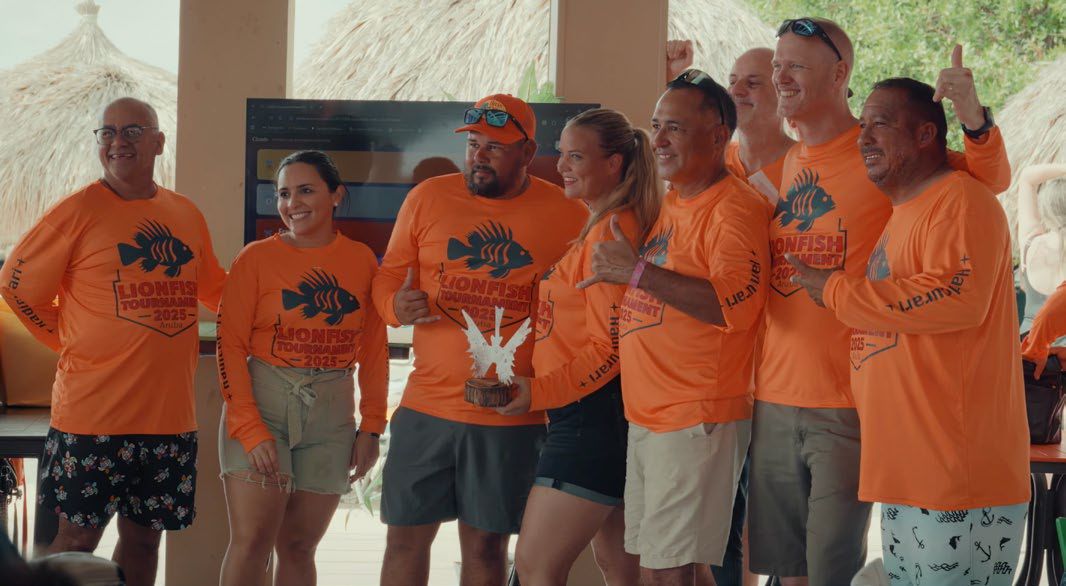
The Lionfish Harvesting Tournament Aruba at De Palm Island marked a powerful step toward marine conservation and sustainable fishing. On November 16, 2025, local divers and fishermen united to tackle one of Aruba’s most pressing environmental challenges the invasive lionfish while creating new economic opportunities for the island’s fishing community.
Commitment to Sustainability at De Palm Island
De Palm Tours continues to lead by example through environmental action and community engagement. At De Palm Island, sustainability is not just a message; it is a mission driven by collaboration and long-term impact.
The Lionfish Harvesting Tournament Aruba reflects this mission clearly. Instead of raising awareness alone, the organization encouraged direct action. Therefore, local divers and fishermen joined forces to reduce the growing lionfish population threatening Aruba’s delicate marine ecosystem.


Moreover, the initiative aligned environmental protection with economic resilience. By promoting sustainable fishing practices, the tournament provided practical solutions that benefit both nature and people.
Why the Lionfish Harvesting Tournament Aruba Matters
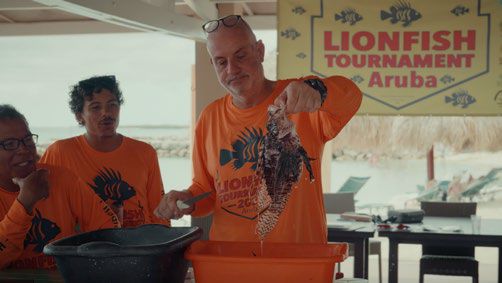
Lionfish are an invasive species in the Caribbean. Because they reproduce rapidly, they disrupt coral reef ecosystems and reduce native fish populations. Consequently, marine biodiversity faces serious threats.
According to the National Oceanic and Atmospheric Administration, invasive lionfish significantly impact reef health throughout the Caribbean region. By organizing the Lionfish Harvesting Tournament Aruba, De Palm Island directly addressed this environmental challenge.
Protecting Native Marine Life
The tournament promoted lionfish harvesting as a responsible fishing alternative. As a result:
- Pressure on overfished native species decreased.
- Local reefs received critical protection.
- Sustainable seafood options increased across Aruba.
Additionally, harvested lionfish now serve as a sustainable source of fish for hotels and restaurants throughout the island. This strategy ensures that environmental protection and economic growth move forward together.


You can also explore Aruba’s ongoing environmental efforts in our related coverage on sustainable tourism initiatives at Aruba Online News.
Collaboration with Santa Rosa and Hadicurari Fishermen
The success of the Lionfish Harvesting Tournament Aruba would not have been possible without community collaboration. The event was organized in partnership with:
- Santa Rosa
- Local fishermen from Hadicurari
Through this collaboration, participating divers enjoyed a full-day experience at De Palm Island. The program included food, beverages, goody bags, and exciting prize giveaways.
Furthermore, support from The Giving Palm helped make the event impactful and memorable. The charitable organization reinforced the importance of social responsibility within the tourism sector.
Sustainable Trophies with a Powerful Message
Sustainability remained central throughout the tournament. Therefore, even the trophies reflected environmental responsibility.
The awards were uniquely crafted by Plastic Beach Party, an initiative dedicated to creative reuse and waste reduction. By transforming plastic waste into meaningful art, the trophies symbolized innovation and environmental awareness.
This creative touch highlighted how businesses can reduce waste while inspiring change. Consequently, the tournament became more than a fishing event — it became a platform for environmental education and community empowerment.
Economic Opportunities Through Sustainable Fishing in Aruba
While marine conservation remained the priority, the Lionfish Harvesting Tournament Aruba also delivered economic benefits.


Because lionfish harvesting creates a new revenue stream, local fishermen gain alternative income sources. In addition:
- Hotels secure sustainable seafood supplies.
- Local divers expand professional opportunities.
- The island strengthens its eco-tourism reputation.
This balanced approach supports Aruba’s broader sustainability goals. It also reinforces the island’s image as a responsible Caribbean destination committed to protecting natural resources.
According to the United Nations Environment Programme, community-based conservation efforts play a critical role in protecting marine biodiversity worldwide. Aruba’s initiative reflects this global sustainability vision.

The Growing Impact of the Lionfish Harvesting Tournament Aruba
Over time, the impact of the Lionfish Harvesting Tournament Aruba continues to expand. Each event builds stronger partnerships between tourism operators, environmental agencies, and the fishing community.
Moreover, public awareness grows as more residents and visitors learn about the importance of invasive species control. As a result, the island fosters a culture of responsibility and environmental stewardship.
Because tourism drives Aruba’s economy, sustainable initiatives like this protect both livelihoods and natural beauty. Healthy reefs attract divers, snorkelers, and eco-conscious travelers. Therefore, protecting marine ecosystems directly strengthens the island’s tourism future.
De Palm Tours Leading Sustainable Tourism in Aruba
As one of Aruba’s leading tour operators, De Palm Tours demonstrates how businesses can combine tourism with environmental action.
Through the Lionfish Harvesting Tournament Aruba, the company shows that sustainability requires participation. Instead of waiting for change, it creates opportunities for real solutions.
Additionally, initiatives like this complement Aruba’s broader marine conservation strategies. By supporting responsible fishing practices, De Palm Island protects coral reefs, native fish populations, and long-term ecological balance.
Long-Term Environmental Balance for Aruba
The tournament reflects a larger commitment to conservation. Addressing invasive species remains essential for protecting Aruba’s marine biodiversity.
However, sustainability requires continuous action. Therefore, partnerships with fishermen, environmental authorities, and community organizations will remain crucial.
By reducing lionfish populations, supporting local livelihoods, and promoting sustainable seafood, the Lionfish Harvesting Tournament Aruba demonstrates a model for other Caribbean islands.
Because climate change and overfishing threaten marine ecosystems worldwide, proactive initiatives like this make a measurable difference. Aruba’s leadership in sustainable fishing sets a strong regional example.
For more local news, visit us and follow our social media pages. Share your news with us by sending it to info@arubaonline.news.