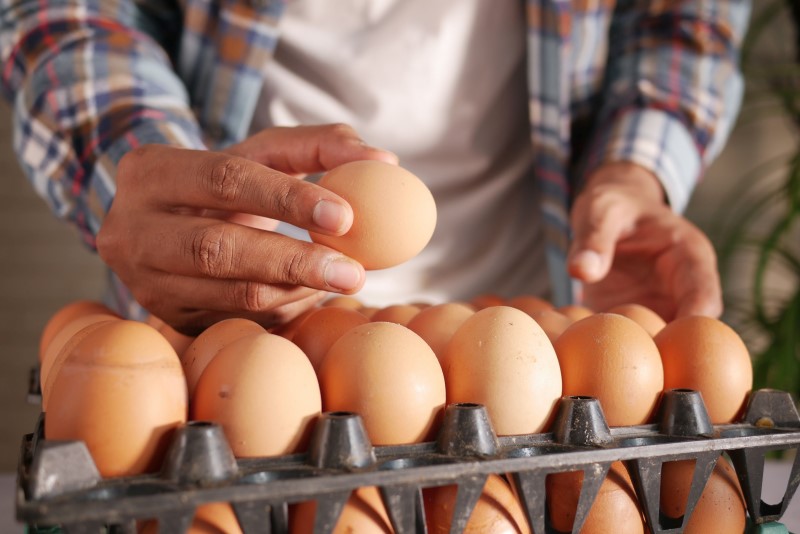
Fixed Egg Prices in Aruba: Local and Imported Egg Rates
The Aruba government has introduced fixed egg prices for locally produced and imported eggs, aiming to support sustainable production on the island. The Department of Economic Affairs monitors egg pricing to encourage supermarkets’ compliance, hoping to reduce Aruba’s dependency on imported eggs.
Overview of Fixed Egg Prices on Aruba
The Department of Economic Affairs in Aruba has set fixed pricing guidelines for eggs to regulate the market. Locally produced eggs are priced at 6.80 florin per dozen, while supermarkets may apply a 60-cent margin on imported eggs based on wholesale prices. This measure is essential as only a small percentage of eggs sold on the island are locally sourced.
According to recent findings, 15% of eggs on Aruba are locally produced. The remaining eggs are imported to meet demand, which highlights the importance of boosting local egg production.


Government’s Plan to Increase Local Egg Production
To tackle the shortage of locally produced eggs, Minister Geoffrey Wever has introduced a plan targeting increased local egg output. The Department of Economic Affairs revealed that, in 2023, Aruba’s local producers supplied 738,000 eggs, a figure the minister aims to double by 2026.
The government recently issued an open call inviting entrepreneurs with egg-producing facilities to join the initiative. As a result, 23 businesses expressed interest in commercial egg production. This response reflects a strong interest in achieving self-sufficiency and reducing reliance on imported goods.
Economic Affairs’ Strategy to Ensure Compliance with Egg Pricing
Economic Affairs works closely with local supermarkets to ensure adherence to pricing policies. Officials conduct daily checks on egg prices, with stores required to show updated invoices for imported egg batches. By monitoring these prices, the government aims to stabilize the market and make egg prices affordable and fair for Aruba’s consumers.
For related insights on Aruba’s economic development, visit our local economic news section, where you’ll find articles on similar initiatives supporting local production.
Challenges and Next Steps for Aruba’s Egg Production Growth
Minister Wever and the Department of Economic Affairs plan to host an informative session with selected businesses. This session will address challenges, such as access to land and resources, raised by participating companies. With support from Santa Rosa Agricultural Service and Department of Information and Planning (DIP), the government is taking proactive steps to encourage local production.


Minister Wever emphasizes the importance of reducing Aruba’s dependency on imports by strengthening the local egg production sector. This initiative is expected to bring economic benefits while ensuring more sustainable food sources for Aruba’s citizens.
Conclusion:
Aruba’s fixed pricing on eggs is part of a broader strategy to bolster local production. As local businesses join the effort to increase egg availability, the island moves closer to food self-sufficiency. Stay tuned for more updates on Aruba’s journey toward sustainable food production.
For more local news, visit us and follow our social media pages. Share your news with us by sending it to info@arubaonline.news.