

Priority Recommendations to Build Climate Resilience
Climate change continues to intensify pressures on small island nations, especially those like Aruba whose economy, infrastructure, and community well-being are deeply connected to coastal and marine ecosystems. The priority recommendations to build climate resilience are not only strategic responses to a changing environment but also a core necessity to protect the livelihoods and security of present and future generations.
A growing body of research, including the Climate and Ocean Risk Vulnerability Index (CORVI) assessment conducted in Aruba, highlights urgent adaptation needs. These needs span governance, land-use planning, public health, infrastructure modernization, and ecosystem restoration. To strengthen resilience, adaptation should not be limited to emergency measures it must also shape economic development, spatial zoning, energy transitions, and cultural values surrounding the relationship between nature and communities.
Understanding Climate Resilience in Small Island Nations
Climate resilience refers to a community’s ability to anticipate, absorb, recover from, and adapt to climate-related disruptions. For Aruba and similar small island developing states, climate resilience planning must consider:


- Limited land and freshwater resources
- High exposure to sea-level rise and coastal erosion
- Tourism-dependent economic systems
- Population growth in concentrated coastal zones
- Increasing extreme heat and extended drought periods
Strengthening resilience means acknowledging that climate change does not act in isolation. It compounds vulnerabilities economic, ecological, and social in mutually reinforcing ways.
Rising Environmental Pressures and Vulnerabilities
Aruba faces:
- Declining coral reef and mangrove health
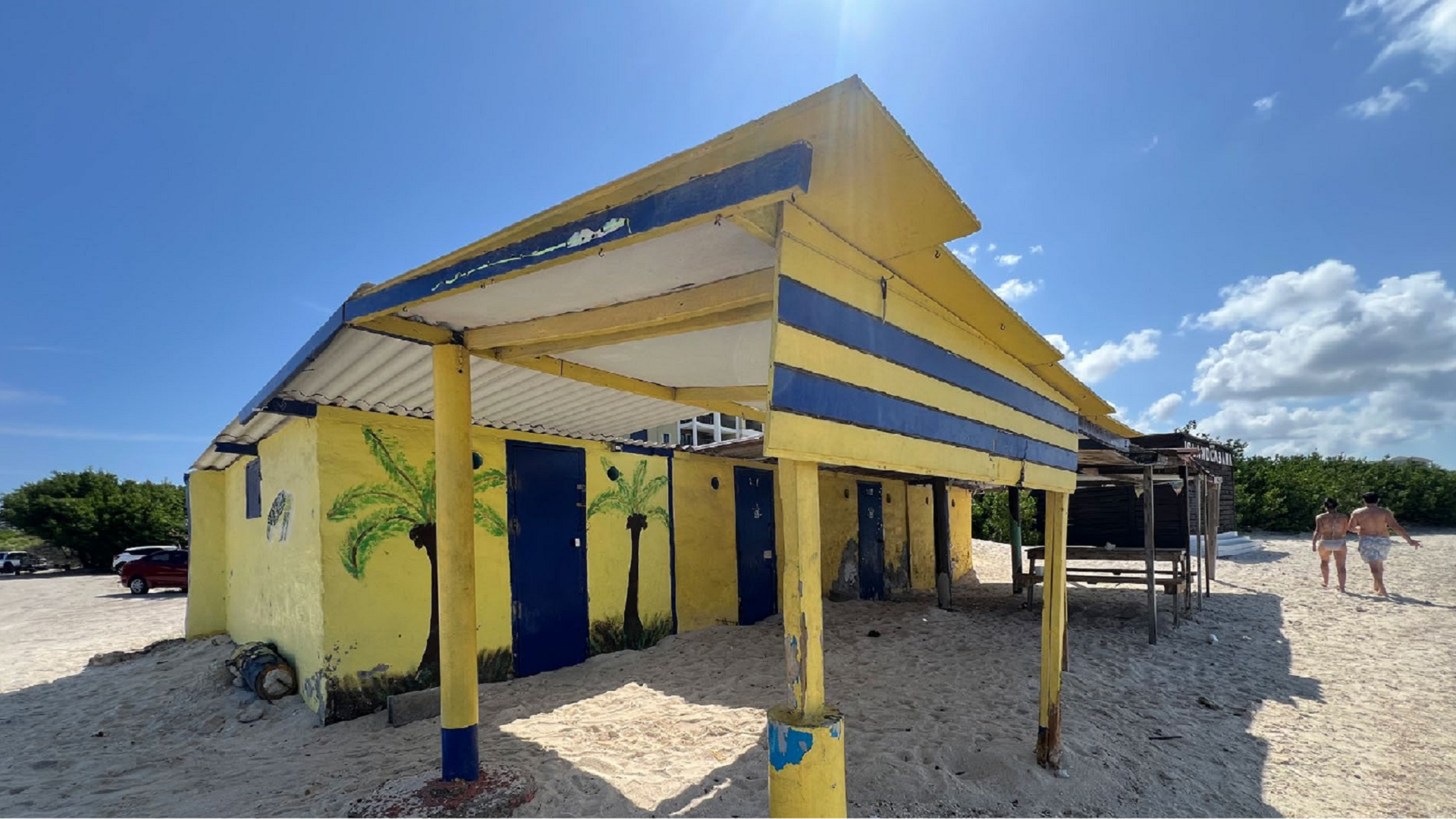
- Increased coastal erosion and flooding
- Extended heatwaves affecting public health and infrastructure
- Threats to food and water stability
Scientific assessments, including work by the Intergovernmental Panel on Climate Change (IPCC), show that small island ecosystems are warming faster than the global average.
Healthy ecosystems provide natural barriers against storms, flooding, and erosion. Losing them magnifies vulnerability.
Priority Recommendations to Build Climate Resilience
This section outlines priority recommendations to build climate resilience, focusing on local applicability, long-term sustainability, and cross-sector collaboration.


1. Invest in Ecosystem Restoration and Nature-Based Solutions
Nature-based solutions strengthen both environmental health and climate defense. Key actions include:
- Protecting and expanding mangrove forests, which stabilize coastlines and buffer storm surges.
- Restoring coral reefs using coral nurseries and heat-resistant coral species.
- Rehabilitating sand dunes and native coastal vegetation to prevent erosion.
- Improving water quality through better wastewater treatment and runoff controls.
For global reference on nature-based adaptation, see the UN Environment Programme’s frameworks on ecosystem restoration.
Why this matters:
Healthy ecosystems reduce infrastructure repair costs, enhance biodiversity, support fisheries, and maintain Aruba’s tourism attractiveness.
2. Develop an Inclusive and Modern Spatial Development Plan
Unregulated coastal development increases exposure to climate hazards. Aruba’s next land-use framework must:
- Restrict construction in high-risk erosion and flood zones
- Incentivize urban revitalization over coastal expansion
- Protect public natural spaces from privatization
- Encourage climate-smart building standards and materials
- Integrate green infrastructure like rain gardens and permeable pavements
Land-use planning should be participatory built with local input from residents, businesses, environmental groups, and indigenous knowledge holders.
3. Strengthen the Resilience of the Tourism Economy
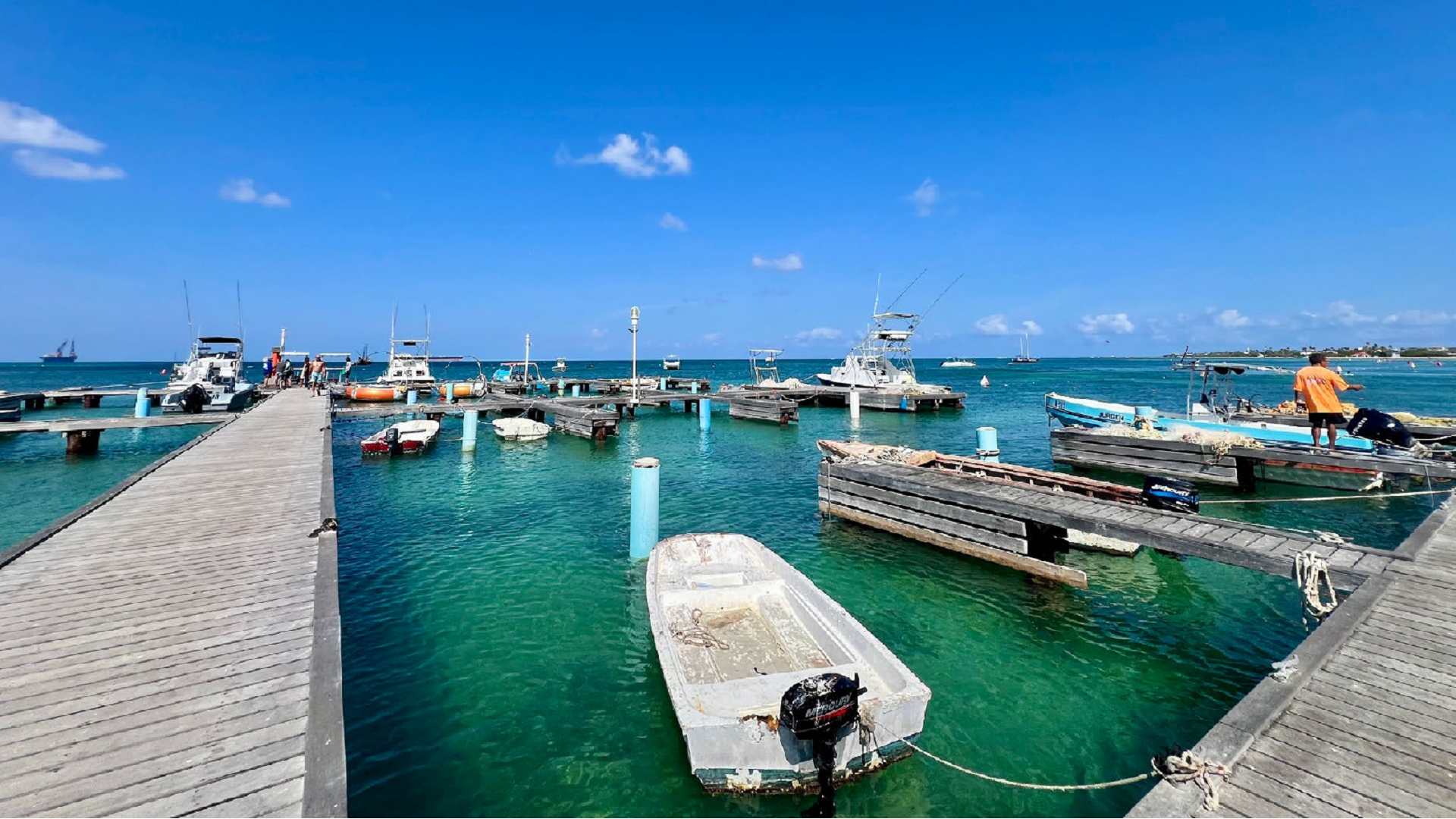
Tourism contributes more than 70% of Aruba’s GDP. Yet, it is concentrated along the coastline where climate risks are highest.
Priority actions include:


- Diversifying tourism offerings (eco-tourism, cultural tourism, wellness tourism)
- Encouraging inland tourism infrastructure development
- Creating heat-safe public spaces (shade zones, cooling corridors)
- Regulating short-term vacation rentals to protect local housing markets
- Building workforce protections for outdoor laborers exposed to heat
4. Expand Access to Climate Education and Community Engagement
Climate resilience planning must be community-driven. Effective engagement involves:
- Public awareness campaigns on heat safety and water conservation
- Training programs for youth and professionals in climate science and adaptation
- Strengthening civil society and grassroots environmental stewardship
- Ensuring school curricula include ecology and sustainability studies
Communities are most resilient when they understand the risks and have a voice in solutions.
5. Develop Sustainable, Decentralized Energy and Water Systems
Energy and water security underpin national resilience. Aruba should:
- Expand rooftop and utility-scale solar energy
- Explore safe energy storage technologies
- Improve potable water distribution efficiency
- Expand rainwater harvesting systems
- Reduce barriers to household renewable installations
Reducing reliance on imported fuels also lowers carbon emissions and enhances energy independence.
Conclusion: A Resilient Future Requires Shared Responsibility
Building climate resilience is not an isolated project it is a shared national mission requiring collaboration across government, private industry, academia, and community organizations. The priority recommendations to build climate resilience highlight that adaptation is not merely reactive it is proactive, creative, and deeply connected to community identity and cultural heritage.
Aruba’s natural environment is not only a source of beauty it is a foundation of security, culture, and economic stability. Protecting it protects everyone.
For more local news, visit us at Aruba Online News and follow our social media pages. Share your news with us by sending it to info@arubaonline.news.