
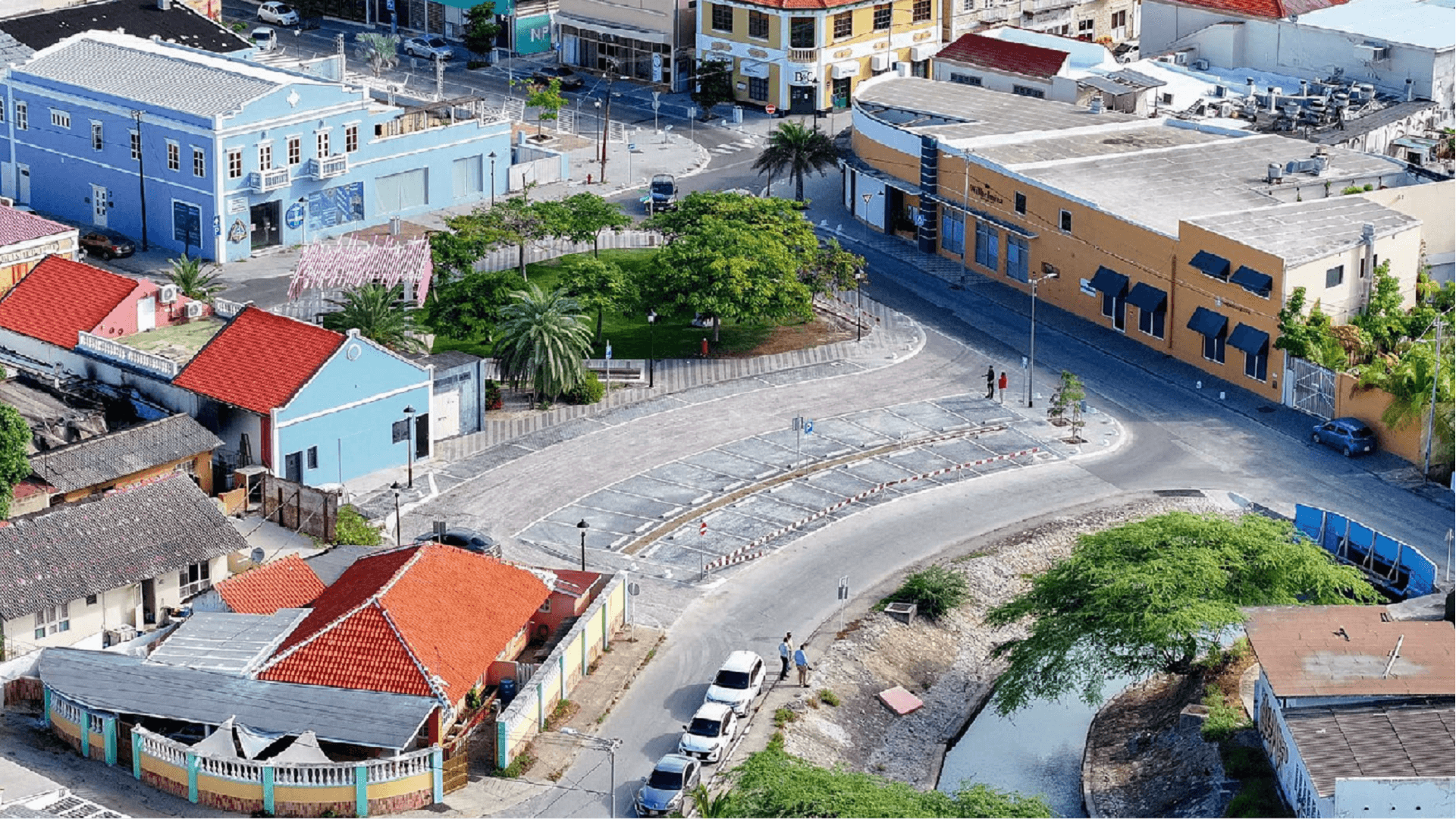
Aruba Climate Resilience Executive Summary | CORVI Report Overview
Aruba stands at a critical crossroads as climate threats accelerate across the Caribbean. The Executive Summary of the Climate and Ocean Risk Vulnerability Initiative (CORVI) assessment reveals the scale of challenges facing the island and the opportunities to respond with coordinated, long-term resilience planning.
The findings show that Aruba’s unique economic, social, and ecological systems are interconnected. The health of its tourism-driven economy is directly tied to the health of its coastal ecosystems and the wellbeing of its communities. Understanding these linkages is crucial for building a climate-resilient Aruba.
This article explores the core findings of the Executive Summary and outlines the priority actions needed to secure Aruba’s future.


Understanding the CORVI Assessment
The Climate and Ocean Risk Vulnerability Initiative, developed by the Stimson Center, is a global tool that evaluates climate-related risks in coastal regions. For Aruba, the CORVI assessment:
- Combined national data, community insights, and expert interviews
- Measured nearly 100 risk indicators across ecological, social, and economic areas
- Identified the most urgent vulnerabilities facing Aruba’s future
This approach provides decision-makers with localized and actionable climate intelligence critical in a nation where coastal communities, tourism, infrastructure, and ecosystems are deeply intertwined.
Key Climate Challenges Facing Aruba
The Executive Summary highlights three core climate vulnerability clusters:
1. Declining Ecosystem Health
Aruba’s coral reefs, mangroves, seagrass meadows, and coastal dunes serve as natural shields against storms, flooding, and erosion. However, these ecosystems are rapidly degrading due to:
- Coastal development pressure
- Marine heatwaves
- Coral bleaching and reef disease
- Erosion and dune destruction
- Invasive species and pollution
The loss of these protective ecosystems reduces the island’s natural resilience and threatens nearshore fisheries and tourism experiences that rely on healthy marine environments.


2. Changing Demographic Patterns
Aruba’s population is growing and aging rapidly. Additionally, the island hosts tens of thousands of tourists and temporary migrants at any given time.
High-density living along the coastline increases:
- Exposure to extreme heat and coastal flooding
- Pressure on housing, infrastructure, and healthcare
- Challenges for emergency response and evacuation during storms
3. Fragilities of a Tourism-Dependent Economy
Tourism accounts for over 70% of Aruba’s national economy and nearly 90% of employment.
This creates three risks:
- Climate hazards directly threaten beaches, hotels, and tourism infrastructure.
- Economic dependence makes Aruba vulnerable to fluctuations in international travel markets.
- Overdevelopment is straining infrastructure, natural systems, and community wellbeing.
To secure future prosperity, Aruba must diversify tourism while strengthening climate adaptation across sectors.
Priority Actions for Strengthening Climate Resilience
The Executive Summary recommends three urgent policy directions:
1. Invest in Ecosystem Restoration
Ecosystem restoration should be treated as critical national infrastructure.
Priority actions include:


- Restoring coral reefs, seagrass beds, and mangroves
- Protecting and rehabilitating sand dunes
- Expanding marine protected areas
- Reducing pollution and sediment runoff
Nature-based solutions can reduce wave energy, buffer flood impacts, and support sustainable tourism and fisheries.
2. Implement an Inclusive Spatial Development Plan
Coastal development is accelerating Aruba’s climate vulnerabilities. To reverse this trend, the government must:
- Update zoning and land-use practices
- Limit construction in high-risk coastal zones
- Expand green and shaded public spaces
- Ensure communities have a voice in planning decisions
This aligns with Aruba’s ongoing national climate leadership efforts, including the development of the National Climate Resilience Council, which launched in 2024.
3. Strengthen the Resilience of Aruba’s Economy
Aruba’s tourism model must transition toward sustainability and resilience.
This means:
- Upgrading hotels and infrastructure to withstand climate hazards
- Encouraging tourist models beyond “sun, sand, and sea”
- Promoting cultural, ecological, heritage, and wellness tourism
- Supporting local entrepreneurship and circular economy initiatives
Transparent planning and cross-sector collaboration will be vital in achieving this shift.
Why This Matters for Aruba’s Future
The Executive Summary emphasizes that Aruba has the potential to become a regional leader in climate-smart governance but action must begin now.
Climate change is not a distant possibility. It is already shaping:
- Shorelines
- Weather patterns
- Public health outcomes
- Economic stability
- Community wellbeing
The path forward requires shared responsibility, with government, private sector, civil society, and residents working together.
Conclusion: Moving From Awareness to Action
The CORVI Executive Summary is not a warning—it is a blueprint for transformation.
Aruba can:
- Restore its ecosystems
- Strengthen its economy
- Protect its people
- Secure its future
But change requires courage, collaboration, and long-term commitment. Let this be the moment Aruba chooses resilience.
For more local news, visit us and follow our social media pages. Share your news with us by sending it to info@arubaonline.news.