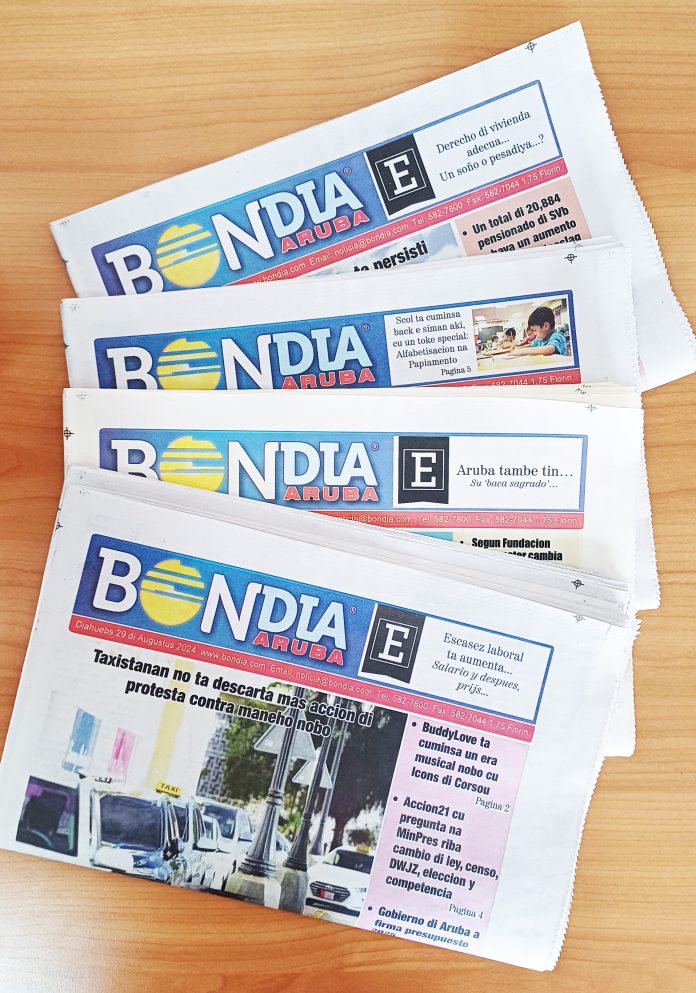
Celebrating Press Day in a World of Fake News
Aruba’s Press Day highlights the evolving role of the media, especially in an era dominated by digital transformation. Social media platforms like Facebook have faced scrutiny, with cases like Mark Zuckerberg admitting to governmental pressures to censor certain information, showcasing the delicate balance between information freedom and the spread of fake news.
The Impact of Disinformation on Society
The King’s College London recently published an article titled “The Fine Line Between Fake News and Freedom of Speech,” reflecting on the challenges posed by disinformation during the pandemic. These issues remain relevant today, especially amid election-related misinformation and global conflicts, where controlling the narrative becomes a battlefield.
Technology’s Influence on Media Communication
Technological advancements have drastically changed how society operates and how media messages are disseminated. The decline of traditional outlets like newspapers and the simultaneous rise of social media have fueled the spread of conspiracy theories. Platforms like Twitter were designed to allow open sharing, but this freedom has also created a space where misleading information can quickly go viral.


Balancing Freedom of Expression with Responsibility
Freedom of expression and information is a fundamental human right. However, should this freedom allow the spread of false information? King’s College London notes that the line must be drawn where freedom of speech causes harm to others. Yet, censorship alone cannot address the underlying issues, such as public distrust in government. In fact, censorship may even reinforce conspiracy beliefs, as it can raise questions like, “Why delete the information if it wasn’t true?”
Community-Based Solutions to Combat Fake News
In response to the spread of misinformation, platforms like X (formerly Twitter) have introduced features like “Community Notes,” allowing users to fact-check posts that gain attention and may contain false information. This approach has even led to fact-checking high-profile figures like U.S. President Joe Biden.
The Rise of Anti-Fake News Legislation
Jacob Mchangama, writing for Future Free Speech, argues that the combination of online influence campaigns and artificial intelligence has created a “perfect storm of disinformation,” threatening free and fair elections. He notes that concerns about misinformation from hostile states have driven democratic governments to adopt illiberal measures, such as banning foreign news outlets and regulating social media platforms.
The Importance of Public Trust and Media Responsibility
As global democracies continue to grapple with the challenges of fake news, it’s crucial for both authorities and the media to maintain public trust. Governments must act with integrity and transparency, while both formal and informal media outlets need to uphold their responsibilities by operating with credibility, ethics, and professionalism.
Image credit: bondia.com


For more local news, visit us and follow our social media pages. Share your news with us by sending it to info@arubaonline.news.